
How To Protect Pets During & After Pest Control
Many people have deep reservations when it comes to pest control. The reasons for this are obvious. Pest treatment procedures may require the usage of large amounts of chemicals. These poisons can be deadly to adult humans. They are even more deadly to smaller animals.
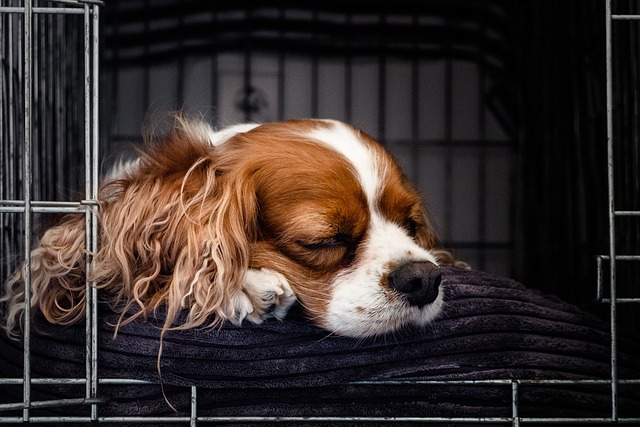 For example, while you may survive exposure to small amounts of pesticide, your pets may not. What this means is that you’ll need to protect pets during pest treatments. Below, we’ll briefly discuss ways of doing this.
What needs to be done to protect pets when exterminating pests
The first and most obvious thing, is that your pets should be removed from the property. In fact, it might be a good idea to place your pets in a boarding kennel for several days. This is by far the best way to protect pets during a treatment.
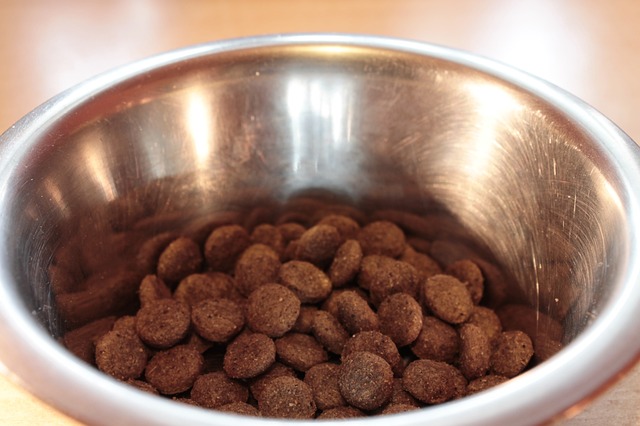
Next, all pet bowls and water bowls should be emptied and safely hidden away. You’ll want to place these outside, and far away from the home. You may also want to place these in cupboards which seal tightly and then clean them afterwards. Once the treatment is completed, this must be thoroughly washed. You may even want to use alternative bowls for the time being.
It’s also important that you keep your pets out of the affected area. If a specific room is being treated, then keep pets out of that room for at least a week. Shut the doors and monitor your pets so that they do not go inside. If the entire property is being treated, then you may want to confine your pet to a certain area. You may even want to place them in a cage, pen or crate.
We’re not just talking about cats and dogs
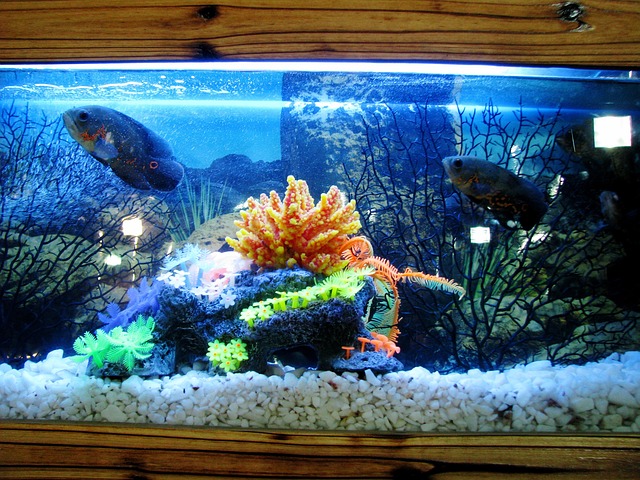
When we talk about pets, we’re not only talking about cats and dogs. You may have fish or reptile tanks. The best way to protect pets like this, is by moving their tank. That being said, this isn’t always practical. Your next best option is covering their tank. Seek advice if you are not sure and get a pest site inspection.
Along with this, you may have birds. These pets are at an even greater risk of being poisoned. The best advise we can give you here, is that the cage should be moved outside. Get advice on where best to place it and for how long and do some research into non-chemical pest treatments. You can also cover the cage with a blanket. All in all, it’s quite easy to protect pets during treatments. All long as you take the above precautions, you should be okay.