
5 Problems That Pests In Lofts Can Cause
Pests can easily enter lofts, causing damage, health issues and disruptions. These pests will often go unnoticed until problems escalate, leading to costly repairs and health risks. In this post we will be looking at a handful of issues that pests in lofts can cause.

Structural damage to insulation and wiring
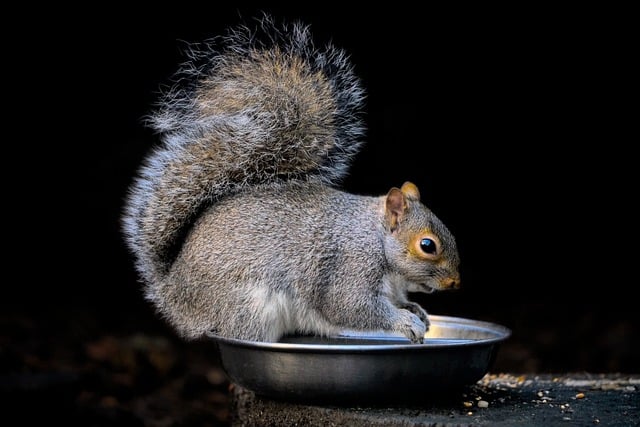
Pests in lofts frequently damage insulation and wiring. Rodents are known for gnawing through electrical wires, increasing the risk of fires. Along with rats and mice, squirrels become pests once they enter your roof space and build a nest. Damaged insulation (for nest building) leads to higher energy bills due to lost heat. Vents blocked by nesting materials can also affect ventilation and air quality.
Contamination and disease risk
Rodents and other pests in lofts can spread diseases through droppings, urine and nesting materials. These pests often carry parasites like fleas, ticks and mites, which may spread into living areas. Exposure to contaminated loft dust can cause respiratory issues and allergies. Bird droppings in lofts pose additional health risks by carrying harmful pathogens.
Damage to stored belongings
Many homeowners use lofts to store valuable belongings, but pests in lofts can ruin these items. Mice and rats can chew through clothing, cardboard, and furniture. They can also leave droppings that stain and soil items, creating strong odours that are hard to remove. Moths can damage soft furnishings, such as stored rugs, when their larvae eat the fabric.
Noise and disturbances
Rodents, birds and squirrels often create noise in loft spaces, especially during the night. Scratching and gnawing sounds can disrupt sleep and cause anxiety. If pests in lofts are not addressed quickly, these noises may increase as infestations grow. This is often how people know they have rodents in the loft.
Pest infestations spreading into the home
Once pests establish themselves in a loft, they rarely remain confined. Rats, mice and insects can spread into kitchens, bedrooms, and other living areas. If left unchecked, pest infestations in lofts can expand throughout the home, leading to greater health risks and damage to property.
How pests get into lofts and other points to consider
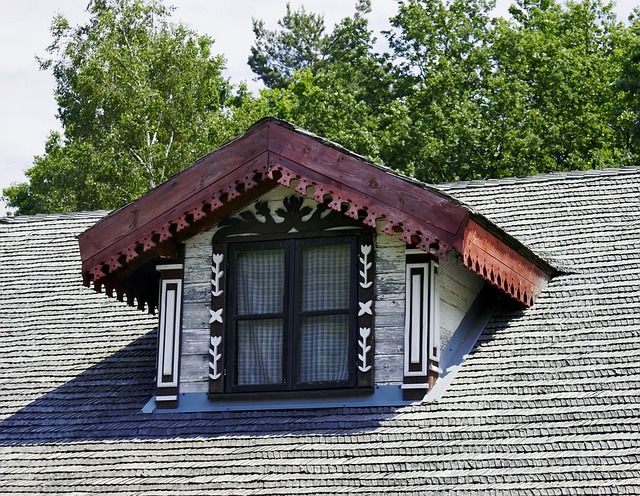
Pests gain entry through gaps in roof tiles, broken vents or damaged eaves. Rats and squirrels can climb walls, accessing the loft through broken fascia boards or loose tiles. Birds often enter through chimneys or open vents, while insects like moths slip through small gaps or cracks. Once inside, these pests find ideal conditions to thrive in the loft’s warmth and seclusion.
For all other pest issues, you should contact us. Our residential pest control services offer thorough inspections of loft spaces to identify and remove pest infestations, protecting your home from further issues.