
4 Most Common Types Of Flies In The House
Most people find flies unpleasant, but they can also pose health risks. The issues they cause depends on the type of fly. Understanding the types of flies in the house helps identify problems early. We help homeowners deal with fly issues quickly and effectively.

Common household fly species
The most common types of flies in the house include houseflies, fruit flies, cluster flies and drain flies. Each species behaves differently and prefers specific conditions. You will want to know how to prevent flies, whichever type they are.
Houseflies
Houseflies are widespread and breed in decaying food or waste. They often enter through open windows or doors. Once inside, they land on food, worktops and bins, spreading harmful bacteria like E. coli and salmonella.
Houseflies need more thorough prevention. Keep windows closed or use fly screens, especially during warmer months. Store food in sealed containers and keep kitchen surfaces clean. Pet food bowls should also be cleaned often.
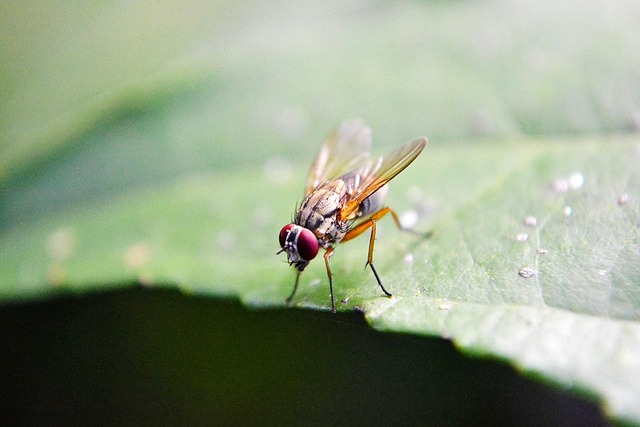
Fruit flies
Fruit flies are tiny but persistent. They lay eggs in fermenting fruit, wine spills and even mop buckets. You may spot them around fruit bowls or sink drains. Because they reproduce quickly, one or two flies can turn into a swarm within days. For fruit flies, start by removing any overripe fruit or sticky spills. Clean under fridges and sinks, where fermenting matter may collect. Rinse recycling and empty bins regularly.
Drain flies
Drain flies, also known as moth flies, breed in damp organic matter. You’ll often see them hovering near sinks, showers or toilets. While they do not bite, they still carry bacteria picked up from contaminated surfaces.
To deal with drain flies, scrub sink and shower drains using a stiff brush. You may also use enzyme-based drain cleaners to break down organic residue. Avoid pouring bleach alone, as it often misses deeper larvae.

Cluster flies
Cluster flies behave differently. Unlike other types of flies in the house, they enter during autumn to overwinter. They hide in attics, wall cavities or unused rooms. On warm winter days, they may emerge suddenly and gather around windows.
Cluster fly problems can be persistent. Because they hide inside walls and ceilings, professional treatment is often needed. We can apply targeted treatments that reach their hiding places without harming your property.
Although swatting flies may feel satisfying, it won’t solve the issue. You must identify which types of flies in the house are present before taking action. Each species requires a tailored approach.
Finally, monitor for new activity. Use sticky fly traps in problem areas. If flies return, you may need help identifying a hidden breeding site. We can assess the situation and recommend long-term solutions that keep all types of flies in the house under control. Call us today for help.