
Landlord Pest Control: What You Need To Know
Landlords must ensure their properties remain pest-free for tenants. Understanding the obligations and best practices for landlord pest control is crucial. Having said that, there are some exceptions. This article looks at what landlords need to know and when pest control services are advised.

Legal responsibilities and obligations of landlords
In the UK, landlords have legal responsibilities regarding pest control. According to the Housing Act 2004, landlords must provide a habitable property. This includes keeping it free from pests. If pests are present at the start of a tenancy, the landlord must address the issue. Ignoring this duty can lead to legal action from tenants.
Tenants also have responsibilities. They must keep the property clean and report any pest problems promptly. However, landlords remain responsible for addressing the issue if pests result from structural problems. For instance, if rats enter through gaps in the walls, the landlord must fix these gaps and manage the infestation.
Landlords should include pest control clauses in tenancy agreements. This sets clear expectations for both parties. It also outlines who is responsible for various pest issues. For example, the agreement might state that tenants must promptly report pest problems. It might also specify that landlords will handle pest control resulting from structural defects.
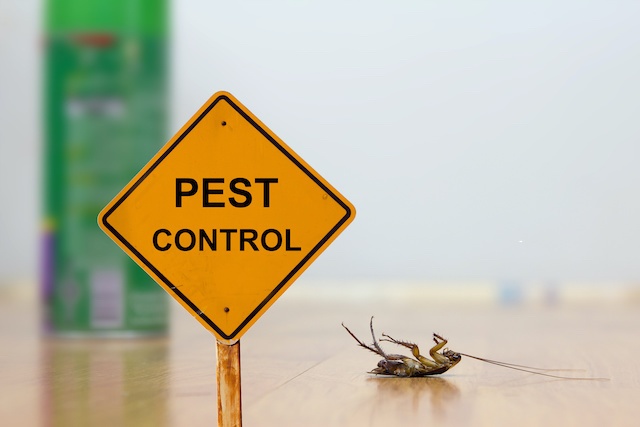
Effective pest control measures
In between tenants, or when you are inspecting the property, look for signs of infestations, such as droppings, nests or damage. Knowing the signs of pests is useful. Landlords must also consider preventative measures. Sealing cracks, fixing leaks and maintaining the property’s exterior can prevent pests from entering. Regular maintenance helps create a less hospitable environment for pests.
Professional pest control services may be advisable if you find anything or if you have any concerns about pests. Experts can assess the property, identify risks and implement effective treatments. They use safe, efficient methods to manage pests, ensuring minimal disruption to tenants. Regular professional inspections and treatments can prevent infestations from occurring in the first place.
In multi-unit buildings, pest control becomes even more critical. Pests can quickly spread from one unit to another, for example it is common for cockroaches spread once in a block of flats. Landlords should ensure common areas are clean and regularly inspected. Coordinated efforts between tenants and landlords are essential to manage pest control effectively.

Handling pest complaints
When tenants report a pest problem, landlords must respond promptly. Ignoring complaints can lead to tenant dissatisfaction and potential legal issues. Arrange for a professional landlord pest control service to assess and address the problem quickly. Clear communication with tenants is crucial during this process.
Moreover, keeping records of pest control activities is important. Document inspections, treatments and communications with tenants. This record-keeping can protect landlords if disputes arise. With a landlord pest control plan, you will be better served to keep your tenants happy, as well as yourself.