
How Does Thermal Imaging Stop Rodents?
If you want to stop rodents for good, then do yourself a favour and investigate thermal imaging. You see, pest control is almost entirely dependent on technology. Technological advances enable us to hunt down pests and eliminate them. This is true, whether it’s an innovative type of poison, or some gadget.
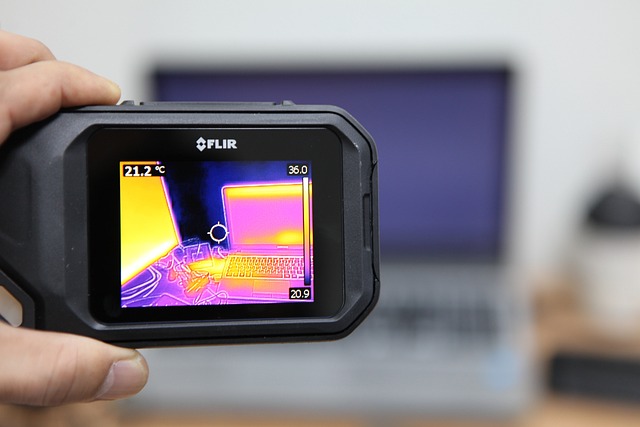
The latest of these advances is thermal imaging. But how does this technology work and how does it stop rodents?
What is thermal imaging as used by pest control?
In case you don’t know, thermal imaging picks up heat. These cameras do this by using infrared technology. This is extremely useful when looking for rodents. The biggest problem with these pests is that they are small. This means they can hide almost anywhere and squeeze themselves into the tiniest spaces. This can make it extremely difficult to find rodents even if you know the signs of rats or mice.
For example, they can live in crawl spaces, pipes, and even inside walls. The issue is that many of these places an inaccessible to humans. This means that stopping rodents in your garden or home and eliminating rodents can be virtually impossible. Thermal imaging tackles this problem. We can use these devices to scan inaccessible places and determine where rodents are hiding. From there we can take steps to eliminate them.

What’s also nice about this method is that it’s non-intrusive. We don’t have to do things like breaking down walls or digging up pipes. Thermal imaging also allows us to find rodents extremely quickly. Instead of hunting high and low, we just point the device at an area.
How are rodents detected with thermal imaging?
The only drawback is that doing this takes skill. Thermal imaging cameras provide data and this must be correctly interpreted. It’s not like watching a film. You do not point the camera at a wall, and then see a picture of rodents moving around. What usually happens is that we look for sources of heat created by rodents as part of a pest site inspection.

The biggest source of this heat is usually their nests. Large numbers of rodents living in close quarters can generate enormous amounts of heat. Just note that you have to determine if this heat is being caused by something else – like pipes or radiators.
Another way that thermal imaging cameras stop rodents is by finding their entrance points. These cameras help us see heat patterns. These patterns can indicate various things such as the presence of moisture. This can also show damage. The damage can include holes in your walls, torn insulation or entryways.
Something else we look for are heat signatures. These are things that rodents do, which create heat. A good example of this is urinating and defecating. Ultimately, thermal imaging cameras are just another tool in a pest control expert‘s arsenal. These cameras can be used to quickly track down and stop rodents, using the right action to deal with them. It takes a trained professional to do this.