
What Are the Main Methods of Pest Control?
With the variety of pests that can invade a property, from insects to rodents, different techniques prove effective for specific situations. Professional pest control uses techniques that follow UK laws and prioritise safety. Below, we examine three primary methods of pest control: chemical treatments, heat treatments and integrated pest management.

Chemical treatments for effective pest removal
Chemical treatments remain a popular and efficient choice among methods of pest control, especially for severe infestations. These treatments include insecticides, rodenticides and repellents that specifically target pests and prevent their spread. For insect problems, such as with cockroaches or ants, pest control professionals often use insecticides that work quickly and effectively. These substances kill or deter pests from affected areas and help ensure they don’t return in large numbers.
Chemical treatments for rodents, like mice or rats, are also common. Baits and rodenticides can be highly effective when strategically placed by professionals. It’s essential to use these chemicals responsibly to avoid harming other animals or household pets. Regulations in the UK strictly control the use of pest control chemicals to minimise risks to people and wildlife. Moreover, professionals handling chemical pest control have access to safer, industry-grade treatments. These offer faster and more efficient methods of pest control than many DIY products available to the public.
Heat treatments for insect control
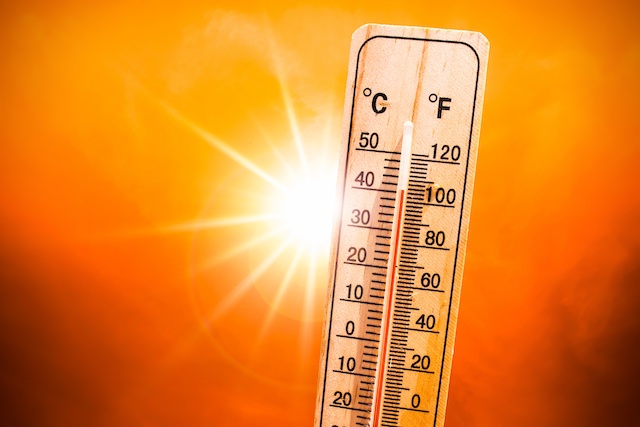
Heat treatments are highly effective for targeting and eliminating insects, especially bed bugs and cockroaches. By raising temperatures to levels lethal to pests, heat treatments reach areas that chemicals might miss. This eco-friendly method reduces the need for pesticides and offers a quick, thorough solution to pest infestations without leaving chemical residues behind.
Integrated pest management (IPM) for long-term prevention
Integrated Pest Management, or IPM, is a sustainable approach among methods of pest control. IPM combines prevention, monitoring and control to manage pests over the long term. Rather than relying on chemicals alone, IPM focuses on eliminating conditions that attract pests in the first place. This includes steps like sealing cracks, managing waste effectively, and maintaining proper hygiene. By addressing pest-friendly conditions, IPM reduces the likelihood of repeat infestations.
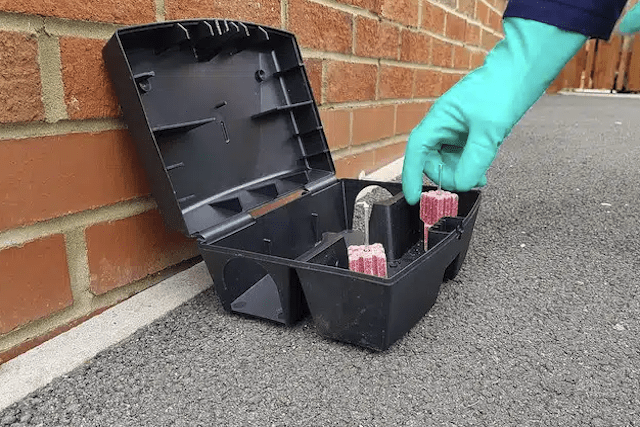
Monitoring plays a key role in IPM. Pest control professionals regularly check areas of concern to detect pest activity early. Early detection allows for quicker, targeted interventions, making it easier to control pests without heavy chemical use. If intervention is needed, IPM favours low-risk options first, such as traps or organic treatments, before resorting to chemical methods.
We offer the most suitable methods of pest control for your situation, whether prevention for food outlets or a mouse infestation in your home. Call us today for help.