
Woodworm is a serious problem is the UK. Every year millions of pounds are spent on treating these pests, and the damage caused by them is astronomical. The best way to avoid this problem is by nipping it in the bud. The longer the infestation goes on, the more damage that these worms cause. But how do you know if you have a woodworm infestation and what can you do about it?
Spotting the signs of woodworm infestation
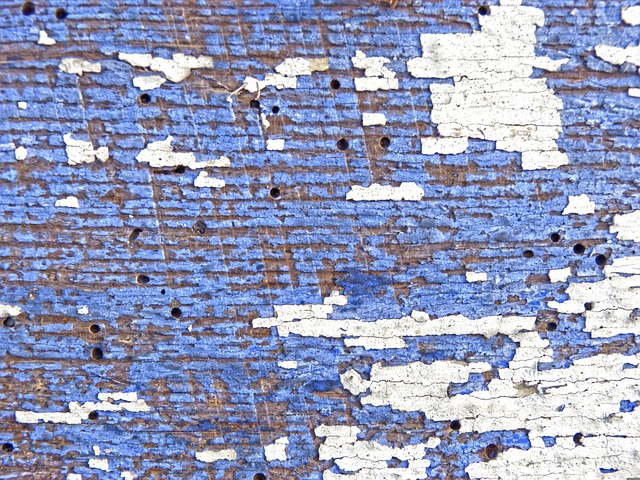
The simplest way to avoid a woodworm infestation is knowing what signs to look for, and then getting a pest inspection. The first, and most obvious sign, are exit holes in your timber. These holes are made when the worms exit wood. The size of these holes depends on the species of woodworm, but generally they are about 2-5mm in size. If you spot these holes, be sure to examine them closely. Do the holes seem new or old? New holes could indicate an active and sizeable wormwood infestation.
Next, look for something called frass. This is basically faeces left behind by woodworm as they chew through your wood. These “droppings” are usually light brown in colour and look like very fine sawdust. Depending on the species of woodworm, this frass may also be moist to the touch.
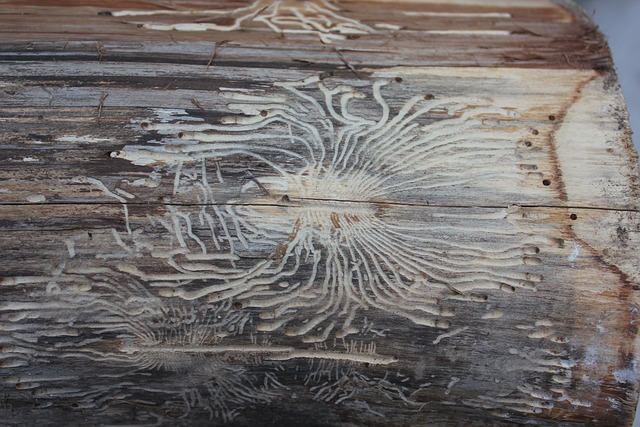
Another sign of woodworm infestation are tunnels in your wood. Now, that being said, while this is the most obvious sign, it’s also one of the most difficult to spot. The reason is because these tunnels are inside of the wood. All you can really do in this case is look for tunnels which are made along the surface.
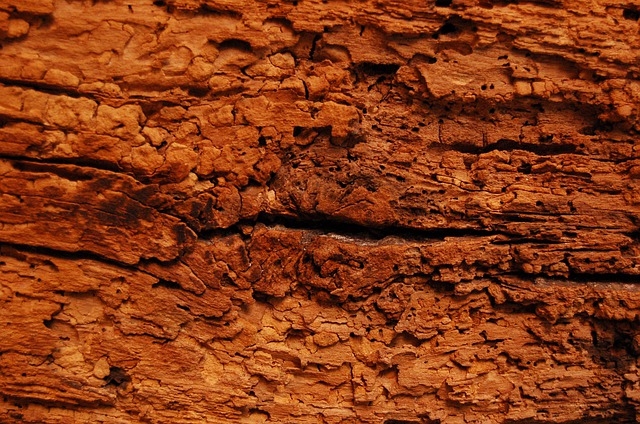
Next, look for damaged wood. This comes in many forms and can be treated with a maintenance contract. The biggest is that wood will “crumble” and fall apart. This happens when woodworm have completely eaten their way through the wood. In other cases, the wood may feel weak or “springy.” Just note that this kind of damage may also be caused by wet rot or dry rot.
Treating woodworm infestations
Also look out for actual woodworm beetles. These beetles are extremely small (about 2-5mm.) They are dark brown in colour and have a rectangular shaped body which is rounded at the end. You may spot the dead beetles beneath holes in timber. You may also be lucky enough to spot them emerging from holes in your wood. Also, you are most likely to see these beetles between May and October.
The most common method for getting rid of woodworm is by applying a surface treatment to the wood which can be part of emergency pest control. This is sprayed or brushed over the wood and is usually used for items like furniture. You also have injection treatments, where a pesticide is sprayed into the beetles exit holes. In some cases you’ll have to drill into the wood and inject a gel that treats these worms. The type of solution used usually depends on the size of your woodworm infestation and where it is occurring.